When telehealth is the wrong tool: red flags that need an examining room
A good GP will cancel a video slot when the story needs hands, light or an urgent door. This piece covers chest pain, abdominal pain, unwell children, skin lesions, intimate exams and new neurological symptoms, and how to hear a clinical no.
Dr Elise Tan, GP and digital health editorUpdated
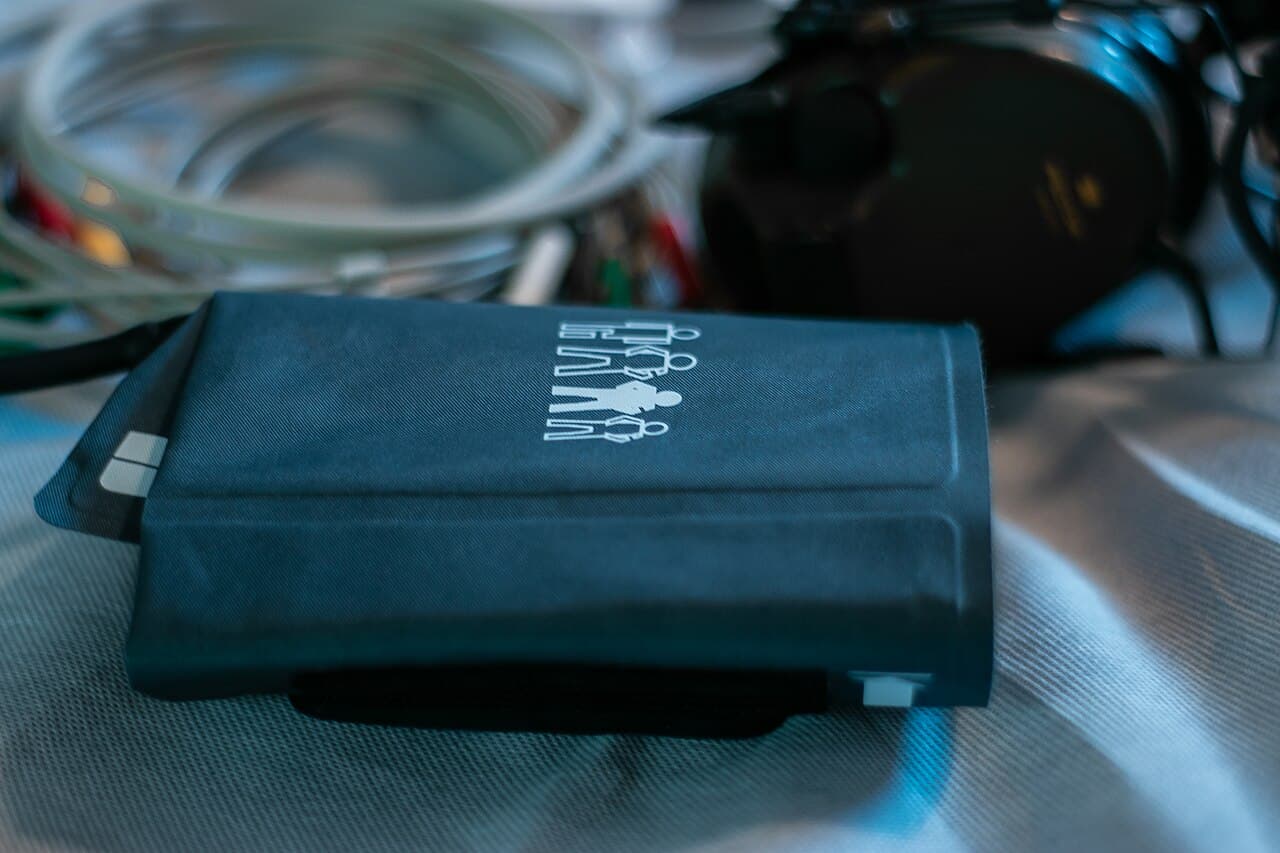
Telehealth is a tool. Tools have grain. You can drive a screw with a butter knife, and people did, for two years, because the alternative was a waiting room that felt like a risk. That was a public-health compromise. It is a bad habit to keep.
A permanent Medicare telehealth system is only as safe as the clinicians who are willing to say no. The no is not a moral judgement about patients who like their couch. It is a statement about what an examination room is for.
This article is journalism about the Australian health system, not personal medical advice.
If you want the settlement that made remote care ordinary, read Medicare telehealth after the pandemic. If you want the argument about cameras versus handsets, read video versus phone telehealth. This piece is about the appointments that should not be either.
What "wrong tool" means in a clinic, not on a poster
A room is not nostalgia
Wrong tool does not mean "telehealth is dangerous". It means the decision in front of the clinician depends on information the modality cannot gather, or the delay created by a remote slot is itself a risk.
A GP can take a careful history on a phone. They can inspect a lot on a good video link. They cannot percuss an abdomen, feel a pulse that the patient has miscounted, look in an ear, do a proper neurological exam, take a cervical screen, or watch a toddler walk across a room while pretending not to watch.
They also cannot, from a kitchen, run the informal tests that still catch disease: the smell of ketones, the feel of a forehead, the way a person needs help onto the bed, the silent partner who will not leave.
Policy can prefer video. Software can offer a "start consult" button. Neither repeals anatomy.
A registrar in a large bulk-billing clinic put it in the sentence we should print on booking sites: "If I would be embarrassed to defend this as a remote assessment in a coroner's court, it is not a video."
That is a grim standard. It is also clearer than most patient-facing FAQ pages.
Chest pain, and the stories people tell to stay home
Chest pain is the classic red flag because patients are used to hearing that it might be a heart attack, and because it might also be reflux, anxiety, shingles, a pulled muscle, or a pulmonary embolus. The differential is exactly why a device is a poor gate.
A remote GP can ask the textbook questions. Where is it. Does it radiate. Are you short of breath. Do you feel sick. Does it worse with exertion. They can recognise that this is an ambulance problem and say so. What they cannot do is take an ECG in your house unless you already have a pathway that includes one, and they cannot watch you walk down a corridor.
Treat these as reasons to stop negotiating with a booking app and seek in-person urgent care:
- New chest pressure, tightness, or pain, especially with breathlessness, sweating, nausea, or pain in the jaw, neck or arm.
- Chest pain that came on after a long flight, a broken leg, or in someone with known clot risk.
- Sudden tearing pain.
- Collapse, faintness, or a sense that something is seriously wrong, which patients are often embarrassed to name and should not be.
A GP who converts your chest-pain booking into "hang up and call 000" is doing the job. A service that offers to "have a quick chat and see" is selling you a delay.
Abdominal pain is not a photograph of a stomach
Adults are stoic about abdomens. They take an antispasmodic, wait for a quieter afternoon, and book a phone consult because they do not want to make a fuss. Some of those people have gastroenteritis. Some have appendicitis, biliary disease, pancreatitis, a leaking aneurysm, ischaemic bowel, or an ectopic pregnancy.
The examination is the point. Guarding, rebound, where the tenderness actually is, whether the person can hop, whether they are febrile, whether they are pregnant and did not lead with that fact: these are room questions.
Remote care can still be a bridge. A GP may hear a story that is clearly surgical and send the patient straight to hospital, which is a success. The failure mode is reassurance based on a calm voice. Pain that is worse, localising, associated with persistent vomiting, blood, collapse, pregnancy, or a rigid abdomen is not a candidate for a follow-up selfie.
Children add speed. Paediatric abdominal pain can move from "probably viral" to theatre in a time that does not respect a next-day video slot.
Kids who look unwell, which is a technical term
Parents are good at knowing when a child is not themselves. Clinicians are good at looking at work of breathing, perfusion, alertness, and whether the child is interested in the toy in the corner. A camera can show some of that. A tired phone camera in a dim room shows much less than the parent thinks.
Infants are the least suitable remote patients for new illness. They decompensate without a speech. They cannot describe the pain. Their rash may be meningococcal or a viral flourish, and the difference is not a filter.
Things that should not be argued into a telehealth slot:
- A baby under three months with fever.
- Any child who is floppy, unusually drowsy, or not responding as they normally do.
- Laboured breathing, grunting, or pauses.
- A non-blanching rash, or a parent who is frightened by a rash and cannot get a clear view.
- Persistent vomiting, no wet nappies, or a child who cannot keep fluids down.
- A head injury with vomiting, odd behaviour, or a story that does not add up.
Healthdirect's nurse triage exists partly so that a frightened parent has a scripted, 24-hour way to be told to go in. Use it if you cannot reach the GP. Do not use a marketplace chat as a substitute for looking at the child in good light, then moving if you do not like what you see.
A practice that offers "sick kids by video after 5 pm" may be trying to help working parents. It still needs a low threshold to abort the consult. The parent should hear that threshold before they undress the toddler for the laptop.
Skin lesions, light, and the lie of the zoom function
Teledermatology is a real craft, with dermoscopes, agreed photo protocols, and specialists who know the limits. A GP telehealth slot with three blurry images of a mole on a thigh is not that craft.
New or changing lesions, non-healing ulcers, pigmented spots that fail the ugly-duckling test, and anything a patient is quietly worried about deserve in-person review. Palpation matters. So does oil, polarised light, and the chance to look at the rest of the skin, not the one spot the patient chose to photograph.
Photos are still useful as triage. They can get you an earlier room appointment. They can reassure a GP that the "spider bite" is cellulitis that needs today, not Thursday. They should not become a way to avoid the examination that would have found the second lesion on the back.
If a remote doctor offers to freeze, cut, or "just watch" a lesion they have not seen in person, ask where they practise and how they will take responsibility if the histopathology, later, is unkind. AHPRA registration is a starting point, not a complete answer. Continuity is the rest.
Intimate examinations are not a lifestyle preference
There is no dignified way to do a speculum exam, a proper testicular exam, a prostate assessment, or a forensic conversation about assault on a consumer video platform. Anyone offering otherwise is not disrupting women's health. They are avoiding the part of medicine that requires a chaperone, equipment, and a door.
Remote care can do a lot of sexual and reproductive health well: pill reviews, some STI counselling, HIV pre-exposure prophylaxis follow-up in a known patient, a first conversation about menopause. Medicare even recognises that some of this work should not be blocked by the relationship rule. That is not a licence to skip the examination when the symptom is bleeding after sex, a breast lump, testicular pain, pelvic pain that might be ectopic pregnancy, or a person who needs a physical test rather than a pep talk.
Dignity cuts both ways. A patient should not be asked to show a genital rash on a home laptop because it is convenient for the clinic's afternoon list. Come in. Ask for a chaperone. Ask for a clinician of a particular gender if that is what will make the exam possible. That is ordinary care.
New neurological symptoms are a clock
Stroke pathways exist because minutes change brains. A drooping face, a weak arm, slurred speech, a sudden severe headache, or a sudden loss of vision is not a telehealth opportunity. It is 000.
There is a slower group that still does not belong on a first remote visit: a first seizure, new weakness, new foot drop, unexplained collapse, a changing headache with vomiting and photophobia, or a person whose family says they are "just not right" in a way that is new. A known migraineur with their usual pattern is a different case. The word "usual" has to be earned.
GPs can review stable Parkinson's disease, a long-standing neuropathy, or a medication side-effect by video when they already know the baseline. They cannot safely sort a first neurological event by asking the patient to touch their nose on a laptop. Some will try, because the patient asked nicely. The kind refusal is the skill.
How a good GP says no to a video slot
The no should be specific, directional, and not embarrassed.
Specific means naming the problem. "I cannot assess abdominal pain without examining you." Directional means saying what to do instead. Come to the 3.40 pm emergency slot. Go to the urgent care clinic. Call an ambulance. Call Healthdirect if you deteriorate before you get here. Not embarrassed means the clinician does not apologise for practising medicine.
Reception can carry part of this if they are allowed to. A booking questionnaire that asks about chest pain, shortness of breath, unwell children, and first-trimester bleeding will intercept some of the unsafe slots. A questionnaire that exists only to upsell a longer item will not.
Patients can make the no easier. Do not hide the worst symptom to keep a convenient time. Do not book "repeat script" when the real issue is new breathlessness. Do not shop for a more agreeable doctor on a fourth app after three clinicians have told you to come in. That last pattern is how choosing a telehealth provider becomes a safety issue rather than a consumer preference.
A good no also includes the record. The GP should write what they were told, what they advised, and why the remote consult was declined or aborted. If the patient later attends an emergency department, that note is not bureaucracy. It is the trail.
What patients can do when they already booked the wrong thing
Hang up if you must. Call back and say the symptoms have changed. Ask for an on-the-day in-person time. If the practice cannot see you, ask where they recommend, which is a different question from "can I have a script anyway".
If you are choosing between a long drive to a rural hospital and a video GP who sounds unsure, notice the uncertainty. Unsure and remote is a reason to move toward hands, not toward a second opinion on another platform.
If you are a practice manager, look at your last month of telehealth and ask which consults would have been declined in a well-staffed clinic. That list is your training program. It is also your medico-legal program, which is less fashionable to say out loud.
Telehealth after the pandemic settlement is worth defending. It keeps older people out of waiting rooms for problems that do not need a waiting room. It keeps rural families from spending a day in a car for a medicine review. It does not abolish the examining couch, the ECG, the otoscope, or the moment when a GP looks at a child and does not like it. The wrong tool is the one that asks a camera to do that work. A grown-up system keeps the camera, and keeps the room.
Frequently asked questions
If a GP refuses a telehealth booking, does that mean they think I am wasting their time?
- Usually the opposite. Refusing a remote slot is how a careful clinician avoids missing something that cannot be seen or touched on a device. Ask where they want you to go and how soon.
Can I send photos instead of coming in for a new mole?
- Photos can help a GP decide how urgently you need a room. They are a poor substitute for dermoscopy, palpation and a proper light source. A new or changing lesion belongs in person.
What should I do if symptoms worsen after a phone consult?
- Do not wait for a second remote slot out of politeness. Contact the practice, use Healthdirect for advice if you cannot reach them, or go to urgent care or an emergency department if the red-flag features are there.
Corrections and complaints: read our editorial standards or write to the editors.