Pharmacist-led digital care: eScripts, MedsCheck and the new waiting room
Community pharmacy is now a digital front door as well as a dispensary. This feature looks at electronic prescriptions, MedsCheck and Home Medicines Review, vaccinations, and how pharmacists can work with the GP rather than around them.
Priya Nair, Medicines and pharmacy editorUpdated
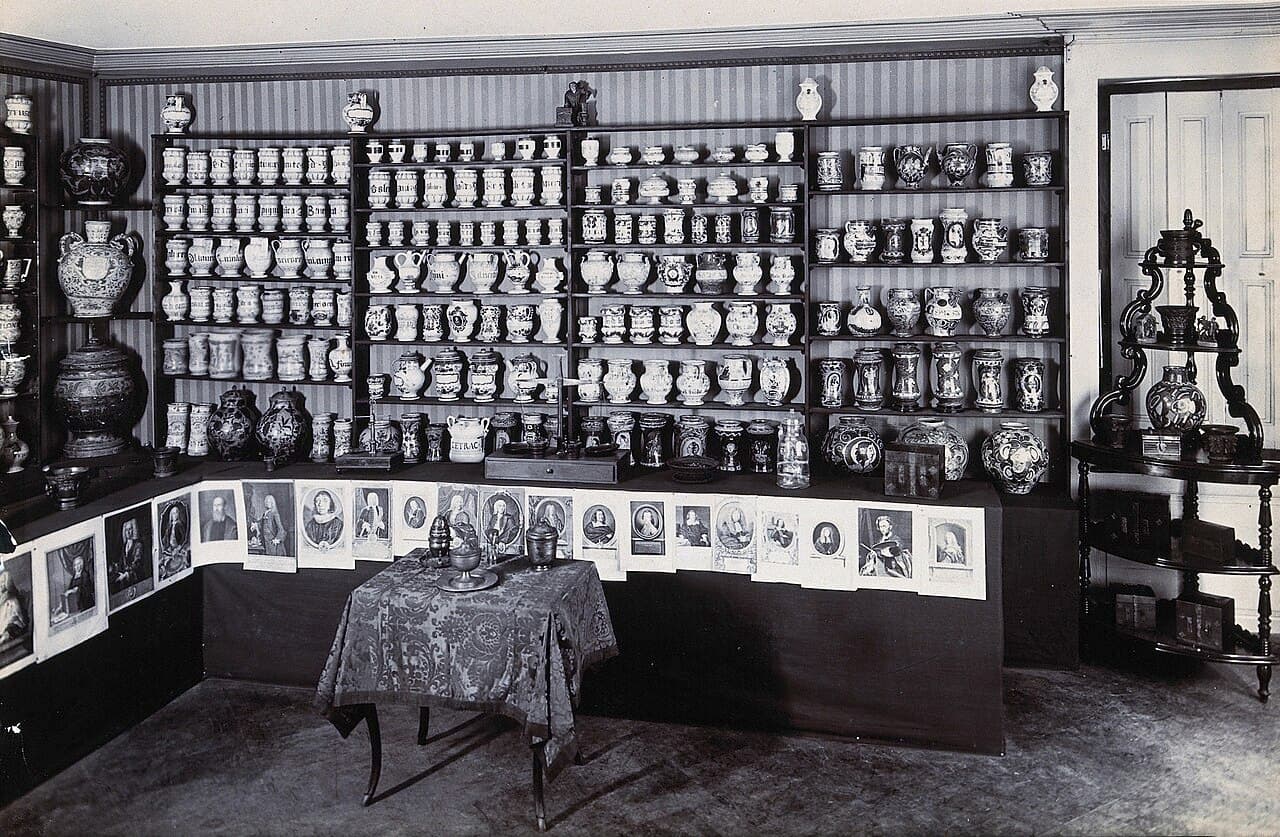
Walk into an Australian community pharmacy in the late afternoon and the old set pieces are still there. A blood-pressure machine on a chair. A fridge full of vaccines. A bench where someone is arguing, politely, about a brand substitute. What has changed is the waiting room’s relationship to the clinic up the road.
The prescription often arrives before the patient. A token sits on a phone. An Active Script List is already open on the dispensary screen. A dose administration aid is being packed from an electronic chart in a residential facility across town. A parent wants a vaccination recorded in the same breath as a repeat for an inhaler. The shop is still a shop. It is also a digital front door that a lot of people use more often than they use their GP.
That shift is easy to oversell. Pharmacists are not a replacement primary-care system, and the funding programs that sit behind MedsCheck, Home Medicines Review and an expanding vaccination list are not a new hospital. They are a set of tools. Used with the GP, they prevent the quiet disasters that start as “I thought I was meant to take both”. Used as a parallel clinic with no letter back, they create the next admission.
How the dispensary became a digital front door
Electronic prescribing did more than remove paper from the pocket. It changed who holds the live list of what was just written. For a stable regimen, that can be the regular pharmacy as much as the regular clinic. Tokens and the Active Script List make it possible to collect a month of ordinary PBS medicines without anyone unfolding a script pad.
The front door effect is broader than eScripts:
- vaccination records and the Australian Immunisation Register
- blood-pressure and diabetes product conversations that start at the counter
- dose administration aids packed to a chart, not to a memory
- apps that offer repeat reminders, delivery, and a stored token photo
- phone and video consults that send a token while the person is still in the car
None of this is automatically good. A reminder app that nags you to collect a medicine you have stopped is not care. A delivery service that leaves a Schedule 8 opioid on a verandah is not convenience. A token stored in a loyalty program is not a clinical archive. The digital layer is only as safe as the human who decides when to stop, call the clinic, or say no.
What is true, and not a statistic, is the geography. In much of Australia the chemist is closer than the GP, open later, and staffed by people who already know the brand of metformin you swallow. That is why policy keeps loading more into the aisle. It is also why the waiting room now needs a second discipline: knowing which problems belong here and which belong back in the surgery.
MedsCheck, without the brochure language
A MedsCheck is an in-pharmacy medicines review. It is funded as a pharmacy program, not as a replacement consultation, and it works best when the person actually sits down. The pharmacist looks at what is being taken, including the things that never got onto a prescription — the ibuprofen from the supermarket, the sleeping tablet borrowed from a spouse, the complementary product that interacts with warfarin.
The output should be practical. Take this one in the morning because it keeps you awake. This inhaler technique is why the preventer “does nothing”. These two packs are the same medicine under different brands. You have been using a nasal spray for three months and that is longer than the label intends. The person leaves with a record, and ideally with a plan to show the GP.
A MedsCheck is the wrong tool when the problem is a new diagnosis, a deteriorating chronic disease, or a request for a controlled drug. It is the right tool when the regimen has grown by accident. That accidental growth is one of the most ordinary stories in Australian general practice: a hospital discharge, a specialist letter, a leftover antibiotic, and a dosette box that no longer matches any of them.
Home Medicines Review
Home Medicines Review sits one step further along. A GP refers. An accredited pharmacist visits the home — or, in some arrangements, a suitable other place — and sees the cupboard, not the bag the person thought to bring. Blister packs from two pharmacies. Expired eye drops. A Webster-pak packed to last month’s doses. The report is for the doctor, which is the point. The pharmacist is not meant to become a secret second prescriber.
If you are offered either service, ask two questions. Who will see the report? And what happens if the pharmacist and the GP disagree? A review that dies in a PDF is a missed afternoon, not a care plan.
Vaccinations and the expanding counter
Pharmacist vaccination is no longer a novelty. Influenza and COVID-19 vaccines are routine in community pharmacy across the country, and the list of other vaccines a pharmacist may administer has widened in various jurisdictions over recent years. The precise list changes, and it is a bad topic on which to invent a national menu. What matters for patients is simpler.
You can often be vaccinated without a GP appointment. You should still leave with a record that other clinicians can find. The Australian Immunisation Register exists for that reason. If you have a complex history — transplant, pregnancy, a previous serious reaction — the right first move may still be the clinic, not the walk-in queue beside the shampoo.
Digital care, in this setting, is mostly record care. The pharmacy’s software, the register, and the GP’s file should eventually describe the same event. When they do not, the next clinician wastes time, or worse, repeats a dose, or worse again, assumes protection that was never given.
Pharmacies also sit at the edge of other funded and state-based services: some urinary tract infection protocols, some hormonal contraception resupply, some antiviral supply during influenza seasons, some smoking-cessation programs. Scope differs by state and by the pharmacist’s training. The journalistic point is not to recite every protocol. It is to say that “ask your pharmacist” now sometimes means “ask your pharmacist whether this is even theirs to do”.
If the answer is no, a good shop sends you back with a note, not a shrug.
Working with the GP, not around them
The failure mode of pharmacist-led digital care is not incompetence. It is parallelism. Two competent people adjust the same regimen without reading each other.
A few habits keep the parallelism from hardening:
- use one regular pharmacy so the dispensing history is in one place
- take MedsCheck and HMR reports to the next GP visit, or ask the pharmacist to send them
- do not treat a pharmacy protocol supply as a diagnosis the GP can ignore
- tell the clinic if a pharmacist changed a brand, a device, or a dosing time
- tell the pharmacy if the GP stopped a medicine, even if a repeat is still sitting on an ASL
My Health Record can help when it is up to date and when someone actually looks. It is not a conversation. Electronic medication charts in aged care make the same point in a harder setting: if the chart, the pack, and the GP’s last phone order disagree, a nurse will eventually guess, and guessing is how people go to hospital.
After hours, when the clinic is shut
After hours, the temptation to treat the pharmacist as the only clinician still standing is strong. Sometimes they are. A good after-hours pharmacist can manage an owing on a regular medicine, give first-aid advice, and tell you whether this is a 000 problem. They cannot, lawfully or safely, become a weekend replica of the GP for every controlled drug and every dose change. After-hours digital care is a different article because the ethics change when the clinic is shut and the token is the only document in the room.
Community pharmacy works as a digital front door only if someone still owns the back door — the GP record, the specialist letter, the decision to stop.
Shared care is unfashionable language, but it is the right one. The pharmacist sees adherence, technique, and the things people buy when they are embarrassed to tell the doctor. The GP sees diagnosis, comorbidity, and the reason the medicine exists. Digital tools should carry those observations toward each other, not keep them in separate apps with separate logos.
Dose administration aids and the quiet weekly deadline
Webster-paks, blister packs, sachet rolls: the names vary, the deadline does not. Somewhere in the week a pharmacy technician is packing the next cycle from a list that must be true. Digitally, that list may be an electronic chart, a repeat sequence on an ASL, or a local profile someone typed in 2022 and never quite trusted again.
This is pharmacist-led digital care at its least glamorous and most consequential. A pack that still contains last month’s dose of a blood-pressure medicine, after the hospital stopped it, is not a lifestyle inconvenience. A pack that duplicates a brand and a generic is a chemistry experiment.
Patients and families can help without becoming clerks:
- tell the packing pharmacy the same day a dose changes
- do not drop a hospital discharge pack into the same cupboard and “sort it later”
- ask which day of the week the pack is finalised, and treat that day as a deadline
- if two pharmacies are involved, stop that arrangement unless there is a very good reason
The pharmacist who rings the clinic about a discrepancy is doing the job. The clinic that does not ring back is also part of the digital story. Software cannot close a loop that humans leave open.
The new waiting room, for better and worse
Pharmacies have always sold waiting. What they now sell, sometimes, is a kind of digital triage. People arrive with a wearable screenshot, a CGM graph, a message from a telehealth doctor they have never met, and a question about whether they should take the tablet in the bag.
A disciplined response is possible. Look at the medicine. Look at the person. Decide whether this is supply, review, referral, or emergency. Decline to interpret a week of sleep scores as if they were a sleep study. Decline to restart a stopped opioid because a token is still live. Offer a MedsCheck when the bag is the problem. Send the wearable graph back to the GP with a sentence attached, not a dump of files.
An undisciplined response is also possible, and more profitable in the short run: scan everything, sell the complementary product that sits beside the vitamin shelf, and let the clinic find out later.
Readers of this journal already know which version they want. The funding, the software, and the Friday afternoon staffing decide which version they get.
What to ask for, as a patient
You do not need to become a health-system hobbyist. A short list of asks will do most of the work.
Ask for a regular pharmacist, not only a regular shop, if your regimen is complicated. Ask whether a MedsCheck would be more useful than another bag of repeats. Ask the GP whether a Home Medicines Review is warranted after a hospital stay, a new diagnosis of cognitive impairment, or a climb in the number of boxes on the bench. Ask how vaccinations will be recorded. Ask whether the pharmacy and the clinic share anything more than your date of birth.
If you are a carer, ask how collection works for controlled medicines, and do not improvise that answer in a queue. If you are supporting someone in aged care, ask who owns the chart. If you are using telehealth, ask where the token will land and which pharmacy already knows you.
Pharmacist-led digital care is not a new profession. It is an old profession standing closer to the clinic’s software. The waiting room will keep filling. The useful question is whether the person who leaves the shop is more coherent to the next clinician, or less. Everything that makes the answer “more” — a sent report, a cancelled old repeat, a register that matches the label — is the unfashionable core of the work.
Frequently asked questions
What is a MedsCheck?
- A MedsCheck is a structured, in-pharmacy review of how you are using your medicines. It is not a diagnosis and it does not replace the GP. The pharmacist looks for practical problems — timing, duplicates, side effects you have been putting up with — and writes recommendations you can take back to the clinic.
How is a Home Medicines Review different?
- A Home Medicines Review is a GP-referred visit by an accredited pharmacist, usually in the person’s home. It is designed for more complex regimens and for people who struggle to manage packs, dosette boxes or a pile of leftover bottles. The report goes back to the referring doctor.
Do I need an appointment to get an electronic prescription dispensed?
- Usually no. Ordinary eScript supply is still a walk-in task. Longer services — MedsCheck, vaccinations at busy times, dose-administration-aid packing — often run better with a booking so the pharmacist is not trying to do clinical work from the middle of the queue.
Corrections and complaints: read our editorial standards or write to the editors.