Digital prescriptions for Schedule 8 medicines: the extra rules
Schedule 8 medicines can be prescribed electronically in Australia, but extra legal and pharmacy controls still apply. This article explains identity checks, real-time monitoring in general terms, interstate travel, and why forwarding a token is a bad idea.
Priya Nair, Medicines and pharmacy editorUpdated
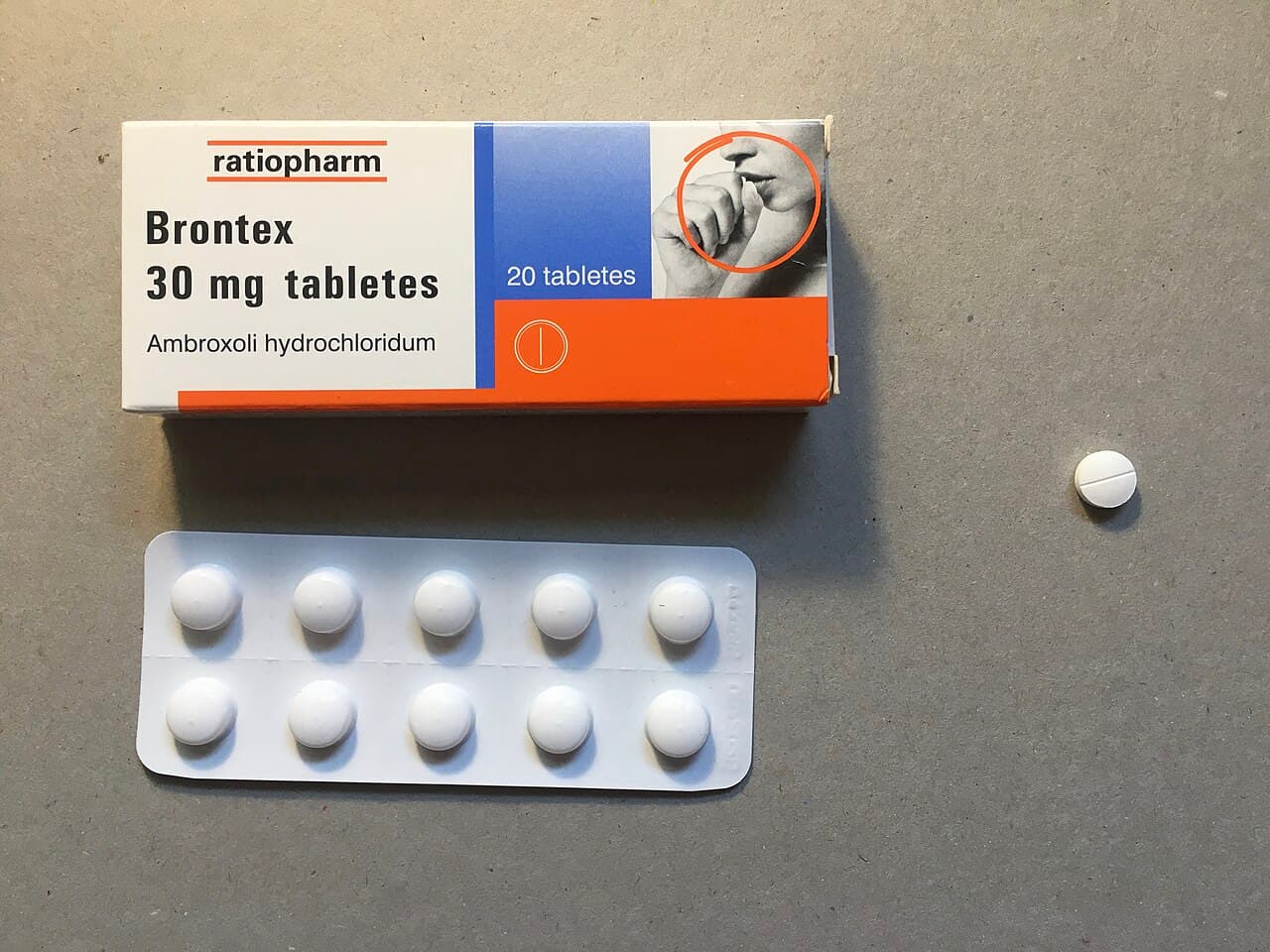
Schedule 8 medicines were never just another line on a script pad. They are controlled drugs under the national Poisons Standard, and they sit inside a second body of state and territory law that existed long before anyone sent a QR code by SMS. Opioids used for severe pain, certain stimulants used for attention deficit hyperactivity disorder, and a short list of other high-risk medicines belong in this category because misuse, diversion and dependence are not theoretical risks. They are the reason the rules exist.
Electronic prescribing did not repeal those rules. It changed the envelope. A patient can now leave a clinic with a token instead of a green form, and a pharmacy can retrieve the prescription from a national exchange instead of unfolding a piece of paper. The extra questions at the counter did not retire. If anything, they became easier to misunderstand, because the channel looks like every other eScript.
This article is not a how-to for obtaining controlled medicines, and it is not personal advice about any regimen. It is a map of why the digital version still feels heavier than a blood-pressure script, and what patients should not do with a token that happens to unlock something potent.
Why controlled medicines are different
In ordinary pharmacy practice, a lot of supply is a professional habit executed at speed: check the dose, check the PBS item, check allergies if they are on file, counsel if the medicine is new. Schedule 8 supply is slower by design.
The law treats these medicines as things that must be accounted for. Pharmacies keep registers. Prescribers work inside permit or authority systems that vary by jurisdiction and by medicine. Some stimulants, for example, have long required specialist involvement or a state permit before a GP can continue them. Some opioids attract authority requirements on the PBS as well as poisons controls. The details differ. The theme does not: more documentation, more identification, less casual flexibility.
Digitally, that theme arrives as friction people sometimes read as incompetence. The scanner works. The pharmacist still asks for a licence. The assistant still disappears out the back. Someone still checks a monitoring system. None of that is the software failing. It is the software meeting a legal regime that never agreed to become a one-tap checkout.
A token for an antibiotic and a token for a Schedule 8 opioid may look identical on a phone. They are not the same object in law. How electronic tokens and the Active Script List work is the right starting point for the channel. It is not the whole story for controlled drugs.
Real-time prescription monitoring, in general terms
Most Australian states and territories now operate real-time prescription monitoring for specified medicines. The brand names differ — SafeScript in Victoria is the one many clinicians mention first, and other jurisdictions run their own systems — but the idea is shared. When a prescriber writes, or a pharmacist dispenses, a monitored medicine, they can see a recent history of those medicines for that person.
The aim is blunt and public: reduce harmful combinations, doctor-shopping that is actually pharmacy-shopping, and the slow accumulation of high-risk regimens that no single clinician can see. It is not a criminal database in the popular-television sense. It is a clinical and regulatory tool, and it can produce an alert that changes what happens next.
What an alert is not
What patients notice is rarely the interface. They notice a pause. They notice a phone call to the clinic. They notice a supply that is delayed until something is clarified. They sometimes notice a refusal.
A few points keep this in proportion:
- not every medicine is monitored, and lists differ by jurisdiction
- an alert is not an accusation; it is a prompt to look more carefully
- interstate histories are not always a single national picture
- clinicians can still supply when it is clinically appropriate
- trying to hurry the check is a reliable way to make it slower
If you travel, or you use clinics in more than one state, do not assume the last pharmacist can see what the first one saw. Ask, if it matters to your care, how they handle interstate records. Then accept that the honest answer may be “incompletely”.
Identity at the pharmacy is not theatre
Photo identification at the pharmacy is one of the least popular moments in Australian community practice, and one of the easiest to explain. A token proves a prescription was issued. It does not prove that the person unlocking the phone is the person named on it, or a person entitled to collect.
For Schedule 8 medicines, pharmacies commonly ask for government-issued photo ID. They may ask for it even when they have known you for years, because “we know you” is not a complete defence if the register is later examined. They may ask the collector for ID as well. They may record details. They may refuse if the name, the date of birth, or the story does not match.
Bring the card. Do not treat the request as an insult. If you are collecting for someone else, say so before the pack hits the bench. Have the person’s details right. If the arrangement is standing — a spouse, an adult child, a paid carer — ask the pharmacy how they prefer to note it so the next supply is less of a cross-examination.
There is a limit. A pharmacist is not obliged to supply because you are in pain in the car park, because the clinic has closed, or because a token exists. Emergency and owing rules for controlled medicines are tighter than for ordinary PBS items. Pharmacist-led digital care includes knowing when not to dispense.
Interstate travel is where digital optimism goes to die
Australia has a national electronic prescription infrastructure and a patchwork of poisons law. That combination is manageable at home. It becomes a project when you fly to another state with a week of medicine left and a token on your phone.
Some Schedule 8 prescriptions written in one jurisdiction cannot be neatly supplied in another. Some can, with extra checks. Monitoring systems do not always sing in chorus. A pharmacy interstate may be willing and still unable, or able and still slow. Paper does not magically fix this, but a paper prescription at least announces itself as a legal document that a locum pharmacist can hold, stamp, and argue about with a medicines information line.
Planning before you travel
If you know you will be away:
- talk to the usual prescriber before you travel, not from a motel car park
- carry enough of your current supply, stored as the label directs
- take identification that matches the name on the prescription
- do not assume a destination pharmacy can “just scan it”
- if you are flying, keep medicines in original labelled packaging in your carry-on
This is journalism about a system, not a travel clinic. People with complex pain regimens, cancer treatment, or stimulant treatment for ADHD already know that holidays require a plan. Electronic prescribing did not abolish the plan. It added a QR code to it.
What patients should not do with a token
The failure modes for ordinary eScripts — old phones, cropped screenshots, family pickup without a story — all apply here, with worse consequences.
Do not forward a Schedule 8 token the way you forward a funny video. A group chat is not a clinical channel. A screenshot sitting in a former partner’s camera roll is a standing risk. A teenager with the household iCloud backup should not be able to collect a monitored opioid because someone thought the QR code was only a convenience.
Do not shop the same token around multiple pharmacies in the hope that one of them will be less curious. Monitoring systems exist in part because that behaviour is old, well described, and harmful. You will not invent a clever new version with a phone.
Do not pressure a locum pharmacist after hours to override a missing permit, a mismatched name, or an alert they have not had time to understand. After-hours supply of controlled medicines is one of the more legally exposed acts in community pharmacy. The person you are speaking to may be the only pharmacist in the building.
Do not treat a cancelled or fully supplied prescription as a spare. If the clinic issued a new prescription because a dose changed, the old token is not a backup stash. Presenting both is how duplicate supply happens.
The easiest way to get a Schedule 8 supply delayed is to treat the extra rules as optional. The second easiest is to become angry at the person legally required to apply them.
If you lose the phone that holds the token, ring the clinic and the regular pharmacy. Ask whether the prescription can be cancelled and reissued. Ask whether ASL, if you use it, still shows the item. Do not post on social media that you have a controlled-drug script in the ether and need someone to help you find it.
Paper, permits, and the clinic workflow
Some clinics still prefer paper for Schedule 8 medicines even when they send everything else as tokens. That is not always conservatism. It can be a workflow that matches how their software, their state permits, and their receptionist training actually function at 4:50 pm on a Friday.
A printed token is a halfway house: still electronic under the bonnet, still a QR code you can lose, still dependent on the exchange being reachable. A full paper prescription is older technology with older risks — alteration, loss, the classic “it was in the other bag” — and older familiarity.
If your clinic offers a choice, choose the channel you can actually manage. If you cannot keep a phone charged, paper may be kinder. If you are trying to keep a stimulant prescription out of a shared household inbox, paper or a tightly controlled ASL arrangement may be kinder. If you want a partner to collect while you are in hospital, say that out loud so someone can design the collection, not so someone can improvise it at the counter.
Authorities and permits still sit with the prescriber and, in some cases, a state health department process. Electronic prescribing does not fast-track a permit. It only carries the prescription once the prescriber is in a position to issue one.
Cybersecurity is part of medicines safety
A token on a phone is a clinical credential living on a consumer device. That should change how people think about lost handsets, shared tablets, and clinic computers left unlocked. It should also change how small practices think about the inboxes and SMS gateways that fire those tokens into the world.
We have written separately about cybersecurity for small medical practices because a ransomed clinic is not only an appointments problem. It is a prescribing problem. If the clinical software cannot lodge a prescription, the workarounds — paper, phone orders where lawful, locum pads — come back in a hurry, and controlled medicines are the items least suited to hasty workarounds.
Patients cannot patch a practice server. They can keep tokens off public screens. They can use device passcodes. They can tell a clinic when a mobile number is no longer theirs. They can avoid forwarding clinical messages into apps that were built to go viral.
What “reasonable” looks like
A reasonable Schedule 8 encounter in 2026 looks almost dull. The prescription arrives by token or paper. The patient or collector is identified. The monitoring system is checked. The pharmacist supplies a quantity that matches the prescription and the clinical story. Counselling happens. The register is completed. Nobody performs outrage.
A poor encounter is usually a communication failure wearing a legal costume. The dose changed and nobody cancelled the old record. The collector arrived without ID. The patient assumed another state’s pharmacy would behave like the shop at home. The clinic sent the token to a number that belongs to a former housemate.
If you take a Schedule 8 medicine long term, the digital layer is not the treatment. The treatment is the review: whether the medicine is still doing what it was for, whether the dose can come down, whether another clinician has added something that collides. Electronic prescribing can make the logistics cleaner. It cannot do the review for you.
Bring identification. Keep the clinic’s record of your mobile number honest. Do not forward tokens casually. Expect extra checks, and treat them as the system working rather than as a personal slight. That is the unglamorous bargain Australia made when it put controlled medicines on the same rails as the rest of the PBS — extra rules included, QR code optional, professional judgement still required.
Frequently asked questions
Can Schedule 8 medicines be prescribed as an electronic token?
- Yes, electronic prescribing can include Schedule 8 medicines. The token does not remove state and territory controls, identity checks, or real-time prescription monitoring. Some items still travel more smoothly on paper, depending on the clinic, the medicine and where you collect.
Why does the pharmacy ask for photo ID if I already have a token?
- A token proves a prescription exists. It does not prove who is standing at the counter. For controlled medicines, pharmacies commonly confirm identity and may refuse supply if the story, the dose or the documentation does not sit right.
Can I send my Schedule 8 token to a family member to collect?
- Treat that as a deliberate decision, not a casual forward. Tell the pharmacy who is collecting, take identification, and do not post the token in a group chat. If the arrangement is regular, ask the prescriber and pharmacist how they prefer to record it.
Corrections and complaints: read our editorial standards or write to the editors.